Solo Repetition or Shared Practice? Match the Format to the Skill
Solo repetition or shared practice? Learn to match each format to the skill, so your practice time targets what needs work and reveals what to try next.

Should you practice alone or with someone else? For most creative skills, the useful choice depends on what you need the next attempt to teach you. Solo repetition gives you room to isolate a move; shared practice reveals what happens when another person, a prompt, or a response enters the work.
The formats are not rival schools. A pianist may work alone on a difficult transition, then play with another musician to hear whether the transition holds in time. A designer may revise a layout independently, then ask a colleague to describe what they understand before the designer explains it. The point is to choose the format that exposes the current problem, not to make practice look industrious.
Name the skill in observable terms
Begin with a task you can see or hear, rather than a broad ambition such as “get better at drawing” or “be more confident.” Broad goals are fine for conversation. They are poor instructions for the next practice session.
Turn the goal into an observable action. A useful statement might be “draw a chair so its legs appear to rest on the same floor,” “hold a melody through a change in accompaniment,” or “explain a design choice without losing the main point.” These descriptions suggest what to attend to and make it easier to notice what changed.
Separate the task into its parts. A short presentation, for instance, can involve recalling the material, choosing a clear order, adjusting to a listener’s expression, and answering an unexpected question. Those parts do not all call for the same practice conditions. Trying to improve all of them in one session can turn a small, fixable difficulty into a foggy verdict on your talent.
Choose solo repetition for a part you can isolate
Work alone when the task is reasonably stable and you can judge a specific feature without another person’s input. This suits a difficult guitar fingering, a repeated brushstroke, a software shortcut, a line of dialogue, or a paragraph that needs cleaner sentence rhythm.
Set a narrow target before you begin. For example, focus on keeping pressure even across a row of pencil marks, not on making an entire drawing feel finished. Repeat the action while watching the chosen feature. After an attempt, pause long enough to identify what happened. If you change several things at once, the next result is difficult to interpret.
Useful solo practice has a source of feedback, even if the source is simply your eyes, ears, notes, or a recording. A metronome can make uneven timing audible. A phone recording can help a speaker notice rushed endings. A saved copy of a design can reveal whether spacing changed as intended. The tool matters less than the question it helps you answer.
Stop repeating when the attempt no longer gives you useful information. That may mean the movement is getting tired, your attention has wandered, or you cannot tell whether the target improved. Continuing out of duty tends to produce more repetitions, not necessarily more learning. A short reset or a different task can be the sensible next move.
Choose shared practice for a skill that depends on response
Bring in another person when the skill involves interpreting a cue, coordinating timing, communicating meaning, or adapting to a response. Conversation, improvisation, critique, negotiation, ensemble work, and live facilitation all have a part that cannot be fully rehearsed by oneself: the other person’s contribution.
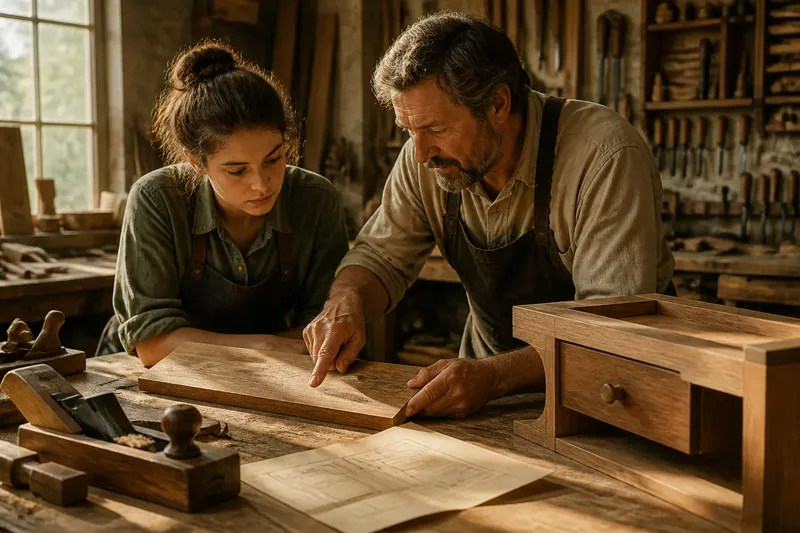
Make the shared task small enough to repeat. A writing partner might ask one focused question about a paragraph. Two musicians might play a short passage and switch who sets the tempo. A colleague might listen to a brief explanation and describe what they understood before offering opinions. The listener’s response is information, not a grade on the person who asked.
Agree on the practice role before starting. One person can perform while the other observes a single feature, then they can switch. Without that agreement, a practice partner may take over, offer a dozen suggestions, or drift into discussing the entire project. All three are familiar ways to make a focused session disappear.
Shared practice is especially useful when your own attention is occupied by performing. A speaker cannot easily listen to their own explanation as a new audience member would. A collaborator can point out where the thread became hard to follow. That observation does not settle every question, but it gives the next attempt a concrete place to begin.
Match the format to the main source of difficulty
Ask what makes the task hard right now. If the difficulty is a repeatable movement, recall problem, or technical detail, begin alone and isolate it. If the difficulty appears only in response to another person, practice with a partner. If both kinds of difficulty are present, use the formats in sequence rather than asking one session to solve everything.
Say you are preparing to explain a prototype to a colleague. Imagine that you can describe its features clearly when rehearsing alone, but you lose the thread when someone asks why one choice matters. Start with a solo rehearsal to make the explanation concise. Then ask a partner to interrupt with one realistic question and listen for the point where your answer wanders. In the next solo attempt, revise that section; then bring it back to the partner. The observable result to look for is a response that stays connected to the question, not applause.
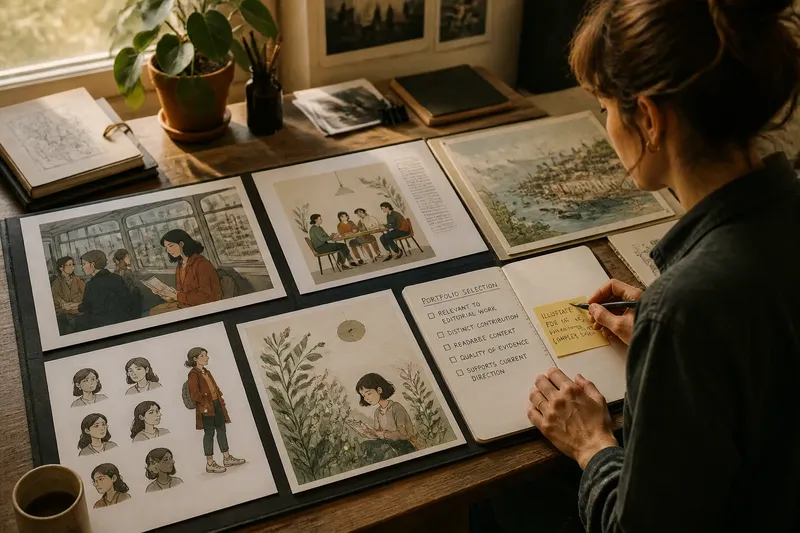
This sequence also works in music and visual work. You might first practice a difficult chord change alone, then play the passage with another musician to check whether the timing holds in context. Or you might refine a set of icons by yourself, then ask a partner to identify them without labels. The first format concentrates attention; the second reveals how the work functions in company.
Keep feedback narrow and usable
Before a shared attempt, agree on one question. “Where did the explanation become unclear?” is more useful than “What do you think?” if the immediate goal is clarity. “Did the pulse feel steady through the transition?” is easier to act on than a general request to judge the performance.
Ask the partner to describe what they noticed before suggesting a fix. “I stopped following when you introduced the second option” names an observable moment. “You need to be more confident” assigns a broad quality and leaves the performer to guess what behavior should change. A concrete observation keeps attention on the work.
Use feedback as a lead for the next attempt, not an instruction to adopt every preference. If several listeners respond differently, the differences may tell you something about the task or audience. Decide what matches your purpose, make one adjustment, and check whether it changes the feature you care about.
Questions about choosing a practice format?
Can I practice alone if no partner is available?
Yes, especially for a task with a clear target you can observe yourself. Record a performance, compare drafts, or use a prompt that forces a fresh response; note what these methods cannot tell you about another person’s experience.
When should I ask someone to join?
Ask when the task depends on another person’s timing, interpretation, question, or choice. Keep the invitation specific: name the task, the observation you want, and when you will switch roles.
Is repetition useful if an attempt still feels awkward?
Awkwardness alone does not say whether the practice is useful. Check whether you can identify one feature that is changing or one question the next attempt can answer; if not, narrow the task or change the format.
How do I avoid turning practice into a performance review?
Set the target as a behavior in the work, not a judgment of the person. Ask for a description of what happened, choose one adjustment, and leave broad evaluations for a separate conversation if they are needed.
Make the next session easy to begin
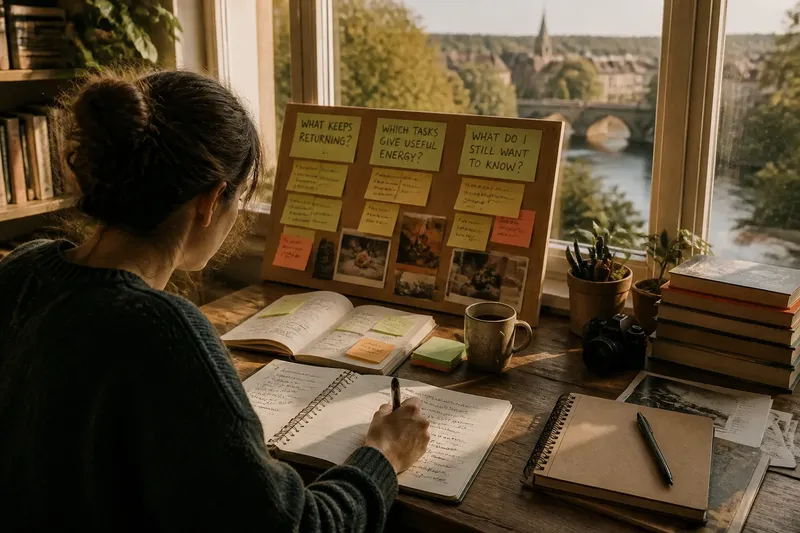
End by writing down the next action in plain language. “Repeat the opening while keeping the sentence short” gives you a starting point. “Improve my communication” does not. Note whether you will work alone or with someone, what you will attend to, and what kind of observation would be useful.
Do not spend the evening building an elaborate practice tracker if a sentence in a notebook will do. The plan is there to reduce the effort of beginning, not to become a second creative project with its own administrative needs.
When choosing solo repetition or shared practice, follow the source of the difficulty: isolate what can be worked on directly, and invite another person when their response is part of the skill. Keep that distinction in view, and the next session can answer a real question instead of merely filling time.